"This issue features a range of topics, but despite their diversity, the articles share a common thread of embodiment and affect, two areas toward which much current rhetorical scholarship is directed. While theories of embodiment and affect frame just a few of these essays, all of them reflect the centrality of bodies and emotion in
"This analysis suggests that, in order to interrupt the injustices that flourish in Silicon Valley and in tech culture, we must rhetorically and systematically disentangle masculinity and whiteness from intelligence."
"We are emotionally and morally invested in attributing agency, and because of this, it’s important that we also learn to be guarded and cautious about the engagement."
"The affective rhetoric of China’s Internet culture provides an instructive illustration of a kind of rhetorical activity that preserves but exceeds overt and explicit symbolic or referential meanings: a rhetoric that binds and separates people especially by the circulation of affective energy."
"Hospitality is a useful rhetorical concept for the situated dynamics it highlights, its attention to roles and obligations, and the critical questions it raises concerning who gets to host whom, under what conditions, and to what ends."
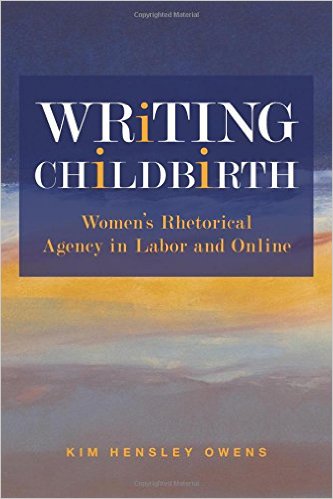
"Throughout the book, Owens recognizes and values the agentic moves of first-time mothers who leverage educational knowledge in their birth plans and those who draw from their own experiential knowledge of childbirth. In doing so, she resists privileging either knowledge."
"In this issue, we learn that what gets written into law is as important as what gets intentionally omitted and that campus timely warnings are likely neither timely nor warning. We also learn the value of hashtags in cultivating concerned publics, how cynicism can be productive, and how public rhetoric can be a symbolic and
"The Trafficking Victims Protection Act (TVPA) tells us a story through which we can more closely examine how the law has functioned in both constructing and affirming certain cultural discourses about human trafficking."
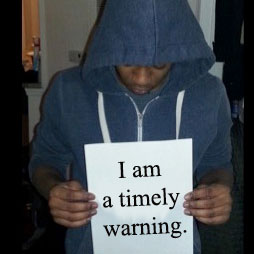
"Because the Timely Warning genre positions the university community as a “wooden opponent” - it cannot succeed in its goal of developing relationships to maintain safety."
"What I have offered is less an employable set of texts, lessons, or advice, and more the performance of a teacher coming to terms with race in pedagogy both during and after the course. What I have done is (re)turn to rhetoric."
"By re-imagining cynicism’s utility as a productive stance, we can identify several tactics for intervention in matters of political and ethical import. Adopting cynicism requires us to introduce provocative language in the public sphere."
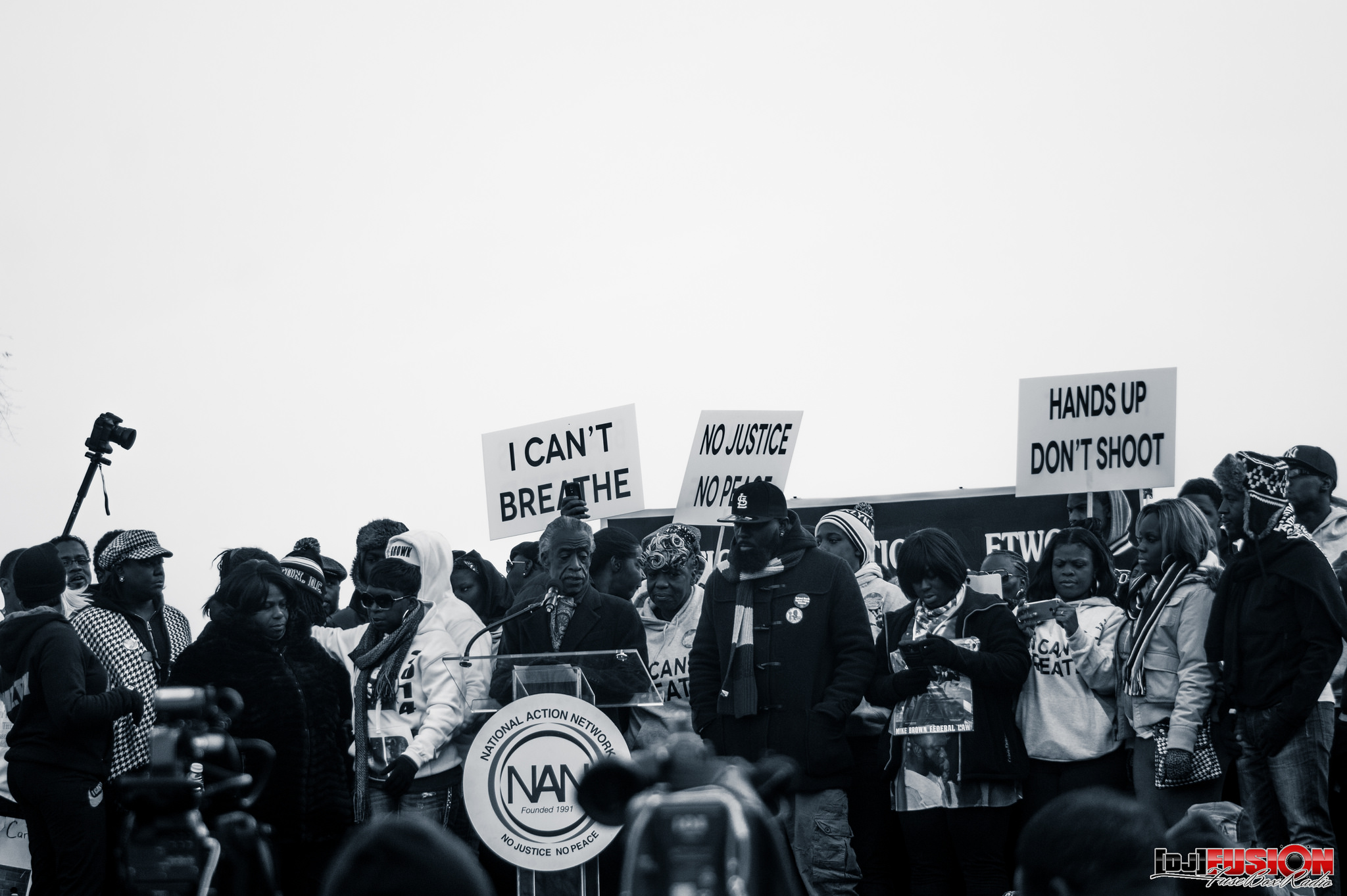
"Clarifying the rhetorical potential for hashtags as an organizational tool demonstrates the caution with which protesters must approach the task of organizing online."
"Our ordinary, habitual ways of comprehending the seemingly simple, straightforward acts that comprise dialogue are not only inadequate but fundamentally incorrect."
"Readers will come away from the book with a better understanding of how the production of good citizens came to be such a common educational objective as well as how citizenship and literacy came to be so tightly bound in a variety of educational spaces."