"Our overarching assumption, one that carries through all principles and practices for curricular and program design, is that no one individual should be the center of the program."
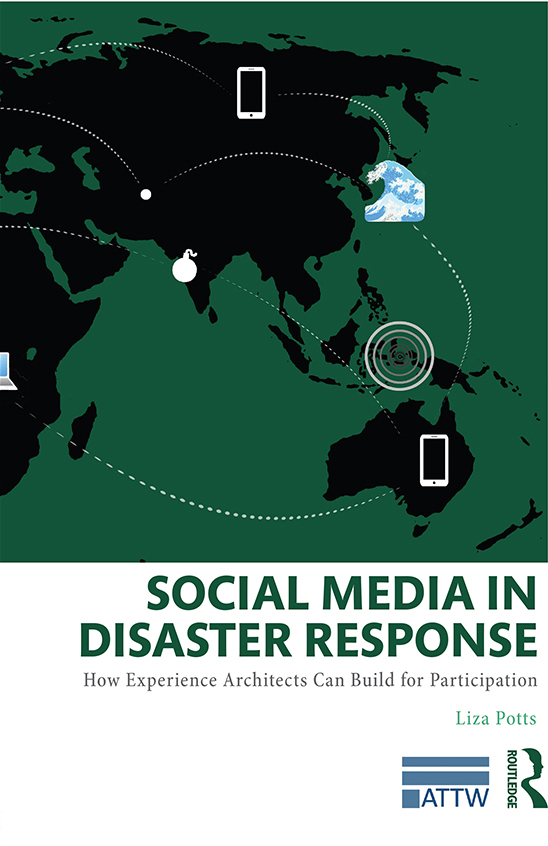
"the book advocates for experience architects to participate in the systems they build and to invite other participants to comment on the design of those systems, thus encouraging a greater fit between a design and implementation."
"Watkins contributes to social class theory by basing his revisionist history on non-English majors and by seeing
our capital not in decline inside the university, but as a
provider of developing forms of cultural capital
outside the university."
"We remember Linda’s legacy at Present Tense as
we continue publishing scholarship that advocates the
kind of positive change through pedagogy, community
engagement, and research that Linda worked toward
her whole life. Thank you, Linda, for enriching
our lives."
This issue is our most multimodal collection to date, including our first slidecast essay (“The Quiet Country Closet”) and our first full audio essay (“Voices in Egypt”),
as well as a number of other essays that incorporate
images, video, and additional modes beyond
alphabetic text.
"I have never been assaulted behind a bar, dragged behind a pickup, tied to a fence, or shot at in the woods... things that are supposed to happen if you grow up gay in a rural small town."
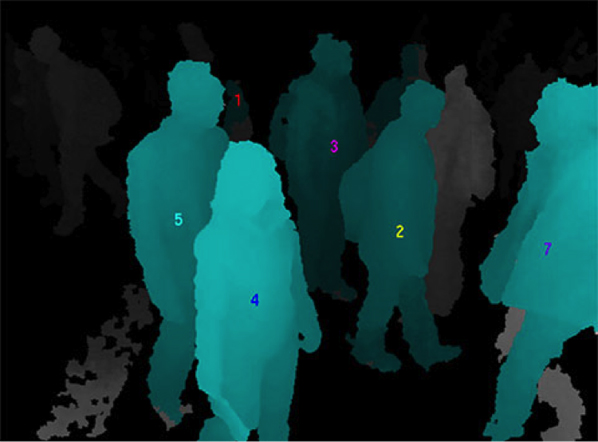
"As I reflect on my experiences with the Kinect’s depth data, it occurs to me that it is a “degree zero” for experimental work because the data is (in Deleuzian terms) an intensive form, pure potential."
"As a somewhat conservative, non-confrontational rhetorical strategy, rhetorical empathy can open doors of discussion and address fears and threats that may prevent listening and engagement."
"C.K.’s approach to kairos, to the complex forces
that shape rhetorical situations, offers an alternative
to the dominant mode of contemporary networked
rhetoric: snark."
"I think people should have this healthy worry that they’ll construct this elaborate argument and then somebody’s going to be able to just puncture it by saying 'wait a minute, here’s something you missed.'"
"While CY existed, it enacted and exceeded the role of national identity, and it suggests how the internet transforms our understanding of nationhood."
"Medical rhetoric, much like gender and body rhetorics, enjoys a rich interdisciplinary history and so feels at home in a journal dedicated to the rhetorical study of socially significant and timely topics. We seek to expand the field's endeavors with this special, double issue."